Mono vs. Stereo Vinyl: Which Pressing Should You Buy?
For vinyl collectors, choosing between a mono and stereo pressing can be more complicated than it first appears. Two copies of the same album may feature identical artwork, nearly identical track lists, and similar release dates, yet sound noticeably different once the needle drops.
That difference is especially important when collecting jazz, rock, soul, blues, and pop records from the 1950s and 1960s, when mono and stereo versions were often released side by side. In some cases, the mono edition reflects the mix that received the most attention from the artist and producer. In others, the stereo version offers greater separation, space, and detail.
So which one should you buy?
There is no universal winner. The better choice depends on the album, the mix, the pressing, your playback system, and what you want from the listening experience. This guide explains the differences between mono vs stereo vinyl records, how to identify each type, what collectors look for, and how to choose the right pressing for your collection.
What Is a Mono Vinyl Record?
A mono record contains a single-channel mix.
That does not mean the sound comes from only one speaker. On a modern stereo system, a mono record will normally play through both speakers, but the musical information is essentially the same in the left and right channels.
In practical terms, all of the instruments, vocals, and effects are combined into one unified sound field.
This can create a very focused presentation. Vocals often feel centered and solid, drums can sound powerful, and the overall mix may feel more cohesive.
For many recordings made during the early LP era, mono was not an afterthought. It was the primary format.
That distinction matters when collectors compare an original mono mix with a later stereo version.
What Is a Stereo Vinyl Record?
A stereo record contains two channels: left and right.
These channels allow instruments and vocals to be positioned across a wider soundstage. A guitar might appear more strongly in the left speaker, while piano or percussion may be heard more prominently from the right.
Stereo can create a greater sense of width and separation.
When used effectively, it can make a recording feel more spacious and dimensional. Listeners may find it easier to distinguish individual instruments and follow specific parts of the arrangement.
However, early stereo was sometimes experimental. Engineers and producers were still learning how to use the format, and some early stereo mixes can sound unusually wide or unbalanced by modern standards.
That is one reason why mono vs stereo vinyl records can be such an interesting comparison.
Why Were Albums Released in Both Mono and Stereo?
During the transition from mono to stereo, record companies often released both versions of the same album.
Mono remained dominant for many consumers because mono record players were common and the format was well established. Stereo systems were becoming more popular, but they were initially more expensive and less widespread.
As a result, labels served both markets.
This period created a fascinating situation for collectors. One album might exist in two genuinely different mixes rather than simply two versions of the same master.
The mono pressing could emphasize punch, balance, and vocal presence, while the stereo version could highlight separation and space.
Today, these differences can make certain albums worth owning in both formats.
Mono Is Not Simply Stereo Folded Into One Channel
One of the most important things to understand is that an original mono mix is not necessarily created by combining a stereo mix into a single channel.
In many cases, especially during the classic mono era, the mono and stereo mixes were prepared separately.
That means the balances can differ. Instruments may appear at different levels, effects may be more or less prominent, vocals may sit differently in the mix, and sometimes even edits or fades can vary.
This is why collectors should distinguish between a dedicated mono mix and a fold-down mono mix.
A fold-down is created by combining the left and right channels of a stereo mix into mono. A dedicated mono mix is prepared specifically as mono.
For some albums, that difference is significant.
Why Collectors Often Prefer Original Mono Pressings
Collectors sometimes favor original mono vinyl pressings because mono was the primary format for certain recordings.
In the 1950s and early 1960s, many artists, producers, and engineers were working primarily with mono playback in mind. Stereo could be secondary.
This means the mono mix may represent the version that received the most attention during production.
That does not automatically make it better, but it can make it historically important.
For collectors interested in hearing a record closer to the way contemporary listeners first experienced it, the mono pressing can be especially appealing.
Why Stereo Pressings Can Be More Engaging
Stereo has its own advantages.
A well-made stereo mix can create a broader and more immersive listening experience. Instruments can breathe, arrangements can feel less crowded, and subtle production details may become easier to hear.
This can be particularly rewarding with orchestral music, jazz ensembles, psychedelic rock, and recordings built around complex arrangements.
Collectors searching for the best stereo vinyl pressings often value soundstage, instrument placement, and clarity.
But the quality of the stereo mix still matters more than the word "stereo" printed on the sleeve.
Early Stereo Can Sound Unusual
Some early stereo mixes can sound strange to listeners accustomed to modern production.
You might hear drums entirely on one side and vocals entirely on the other. In extreme cases, the mix can feel as though two separate groups are performing from opposite speakers.
This type of hard-panning was partly a result of early stereo experimentation and limitations in recording technology.
For some listeners, that sound is part of the period's charm.
For others, the mono mix feels more natural because it brings the performance together.
That is why the question of mono vs stereo vinyl records is often album-specific rather than format-specific.
Mono Can Sound More Powerful and Focused
A good mono mix can have tremendous impact.
Because the music is not spread across two channels, the mix may feel denser and more direct. Rhythm sections can sound especially strong, and lead vocals may feel firmly anchored.
This quality is one reason collectors often enjoy mono pressings of early rock, soul, R&B, and jazz.
Rather than focusing on stereo width, the listener experiences the recording as one unified performance.
That can give mono records a sense of energy that some stereo versions do not have.
Stereo Can Reveal More Space and Detail
Stereo works differently.
Instead of concentrating everything into a single image, it can separate instruments and create more room around them.
This can make it easier to hear individual musical lines.
On a jazz record, for example, the piano may occupy one side while horns and rhythm instruments spread elsewhere. In orchestral recordings, stereo can create a stronger impression of the ensemble's physical layout.
For listeners interested in imaging and soundstage, stereo can be highly rewarding.
Does Mono Mean Lower Sound Quality?
No.
Mono and stereo describe channel configuration, not overall quality.
A well-mastered mono record can sound exceptional. A poorly mastered stereo record can sound disappointing.
The same is true in reverse.
Sound quality depends on mastering, source material, pressing quality, record condition, and playback setup.
When shopping for high-quality vinyl pressings, those factors should matter more than assuming stereo is automatically superior because it uses two channels.
Does Stereo Always Sound More Modern?
Not necessarily.
Stereo often provides a wider soundstage, but width alone does not guarantee a better listening experience.
Some early stereo mixes can feel less balanced than their mono counterparts. Others are beautifully mixed and offer a more expansive presentation.
The goal should be to find the version that best suits the particular recording.
For some albums, the mono mix is the favorite among collectors. For others, stereo is preferred.
Sometimes both versions are worth owning.
How to Identify a Mono Pressing
Start with the album cover and center label.
Mono releases may include terms such as "Mono," "Monaural," or a label-specific designation.
Catalog numbers can also differ between mono and stereo editions. In some cases, the stereo version uses a slightly modified prefix or suffix.
However, packaging alone is not always conclusive.
Covers can be swapped over time, and some albums were issued in sleeves that were used for more than one variation.
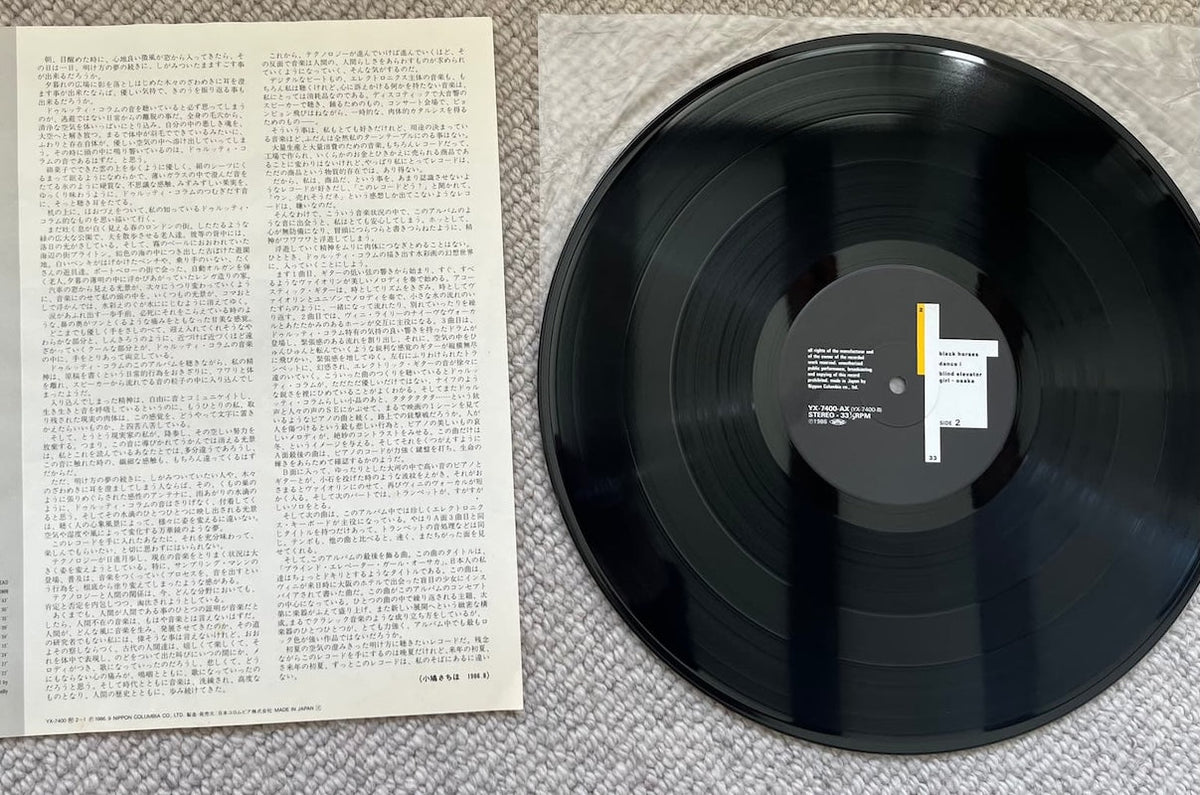
That is why collectors should also examine the center label and matrix/runout information.
If you are trying to identify mono vinyl pressings, compare all of these details with reliable discographic references.
How to Identify a Stereo Pressing
Stereo editions are usually marked with words such as "Stereo," although the placement varies.
Some vintage covers display stereo information prominently at the top, while others include it in smaller print on the back cover or center label.
The catalog number may also distinguish the stereo version from the mono edition.
Again, the matrix number can be particularly valuable.
For collectible records, a sleeve saying "Stereo" is only one piece of evidence. The record itself should match the expected pressing details.
Matrix Numbers Can Help Separate Mono and Stereo Editions
The runout area can help identify whether you have a mono or stereo pressing and which version of that pressing it is.
Matrix numbers often differ between mono and stereo editions because they were cut from different masters.
This is particularly useful when two records have very similar labels or packaging.
If you are learning how to read vinyl matrix numbers, make sure you compare both sides of the record and research the complete inscriptions.
A correct matrix match can help confirm that the record itself belongs to the edition represented by the sleeve and label.
Mono and Stereo Catalog Numbers Often Differ
Catalog numbers can provide another clue.
Record labels frequently assigned different numbers to mono and stereo releases.
Sometimes the difference is subtle, such as a different prefix. In other cases, the numbers are completely different.
Collectors should always verify the catalog number rather than assuming an album is mono or stereo based on artwork alone.
A vinyl record catalog number lookup can be particularly useful when comparing several versions of the same release.
Which Format Is Better for Jazz?
Jazz collectors often encounter both mono and stereo editions, particularly with recordings from the 1950s and 1960s.
Mono can offer a strong, concentrated presentation, especially on smaller ensemble recordings. Horns, piano, bass, and drums may feel tightly integrated.
Stereo can provide more separation between musicians and create a stronger impression of studio space.
Neither is automatically preferable.
For famous jazz titles, collectors often compare specific pressings rather than making a blanket decision based on format.
The mastering, pressing plant, and condition can matter just as much as whether the record is mono or stereo.
Which Format Is Better for Classic Rock?
Classic rock is another area where mono and stereo differences can be substantial.
Many 1960s albums were mixed separately for mono and stereo.
The mono mix may feature different balances, effects, fades, or vocal treatment. In some cases, the stereo mix was prepared later or with less attention.
Collectors interested in original mono vinyl pressings often seek them for exactly this reason.
However, certain stereo mixes are also iconic and may offer a more spacious or psychedelic listening experience.
The best choice depends on the specific album.
Which Format Is Better for Classical Music?
Classical music often benefits from stereo because of the way it can reproduce the width and placement of an orchestra.
A well-recorded stereo classical pressing can create an impressive sense of scale and space.
That said, high-quality mono classical recordings can still sound excellent.
Some historic performances only exist in mono, and their musical significance far outweighs any limitation in channel count.
For classical collectors, recording quality, performance, conductor, orchestra, and mastering may be more important than mono versus stereo alone.
What About Soul, Blues, and R&B?
Mono can be particularly compelling with soul, blues, and R&B recordings from the period when singles and radio play were central to the music industry.
The mix may emphasize vocals and rhythm in a way that feels direct and energetic.
Stereo versions can offer more space but may occasionally sound less cohesive if the original production was designed primarily for mono.
Again, this varies from album to album.
Collectors looking for rare soul vinyl pressings or vintage blues LPs should research the release history before deciding which version to pursue.
Mono Playback and Cartridge Compatibility
Playback setup is another consideration.
Most modern stereo cartridges can play mono records safely.
However, some dedicated mono cartridges are designed specifically for mono playback and may reduce certain types of surface noise by responding differently to groove movement.
For most collectors, a stereo cartridge is perfectly practical for both mono and stereo records.
The important exception involves very early records cut with different groove standards, which can require specialized equipment.
For standard mono LPs from the modern microgroove era, a contemporary stereo cartridge is generally suitable.
A Mono Switch Can Improve Playback
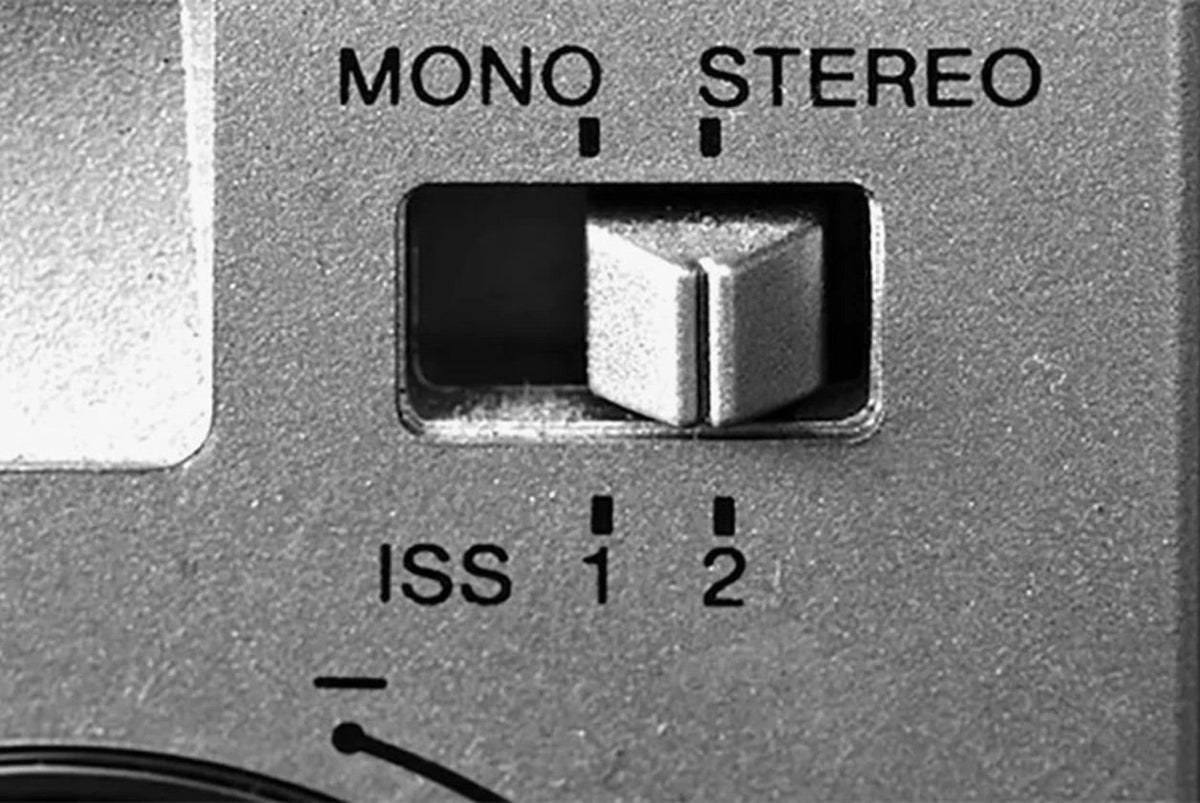
Some amplifiers and phono stages include a mono switch.
Engaging the mono setting combines the left and right channels, which can sometimes reduce surface noise on mono records.
This can be particularly useful with older pressings.
Collectors who listen to a large amount of vintage mono vinyl may find this feature worthwhile.
It is not essential, but it can improve the experience.
Which Is More Valuable: Mono or Stereo?
There is no universal answer.
Value depends on the exact album, pressing, rarity, condition, demand, and historical context.
For some albums, the mono version is scarcer and more desirable.
For others, the stereo edition may be harder to find.
Sometimes both are common. Sometimes one version was pressed for only a short period.
If you are evaluating collectible vinyl pressings, compare the exact edition rather than assuming mono or stereo automatically commands a premium.
Original Pressing or Reissue?
The mono-versus-stereo question becomes even more interesting when modern reissues enter the picture.
A contemporary mono reissue may attempt to reproduce the original mono mix with modern manufacturing quality.
Similarly, a modern stereo reissue may offer a new mastering of a classic recording.
Some collectors prioritize original pressings for historical reasons. Others prefer reissues because they may be easier to find in excellent condition.
Both approaches are valid.
What matters is knowing which mix and mastering you are buying.
Can Modern Mono Reissues Sound Excellent?
Yes.
A modern mono reissue can sound very good when it is carefully mastered and pressed.
The important questions are what source was used, who mastered it, how it was cut, and how well it was manufactured.
The fact that a record is new does not automatically make it inferior to an original.
Likewise, the fact that an original pressing is old does not automatically mean it will sound better.
Collectors should compare pressing-specific information whenever possible.
Which Pressing Should You Buy?
Start by deciding what matters most to you.
If you value historical authenticity, research which mix was considered primary at the time of the album's original release.
If you value wide imaging and separation, a strong stereo mix may be more satisfying.
If you are collecting a particular artist or album seriously, you may eventually want both.
For many collectors, owning mono and stereo editions of a favorite album becomes part of the enjoyment. Comparing them reveals how differently the same recording can be presented.
What to Check Before Buying Mono or Stereo Vinyl Online
When shopping online, make sure the seller identifies the exact format and pressing whenever possible.
Check the catalog number, center label, matrix information, country, release year, condition, and whether the sleeve matches the record.
For expensive copies, clear photographs can be extremely helpful.
When deciding where to buy collectible vinyl records online, look for sellers that provide enough information to distinguish between different editions rather than simply listing the album title.
This is especially important when mono and stereo versions can vary significantly in value.
Avoid Assuming the More Expensive Copy Is Better
Price can reflect scarcity and collector demand, but it does not necessarily reflect sound quality.
A rare mono pressing may be more expensive because fewer copies survive, not because it objectively sounds better.
A relatively affordable stereo reissue might offer excellent playback quality.
Think about what you want from the purchase.
If your goal is listening, prioritize mastering and condition. If your goal is collecting, rarity and historical significance may matter more.
When Owning Both Makes Sense
For certain albums, owning both mono and stereo versions can be genuinely rewarding.
You may hear different instrument balances, vocal placement, effects, edits, or overall presentation.
Listening to both can provide insight into how recording and mixing practices evolved during the transition from mono to stereo.
For serious collectors, this is not duplication—it is comparison.
The two pressings can offer genuinely different experiences of the same music.
Explore Collectible Vinyl at STMedia
Understanding mono vs stereo vinyl records can make vinyl collecting more rewarding because it helps you look beyond the album title and focus on the specific edition in front of you.
At STMedia, we focus on rare, exclusive, and limited pressings you won’t easily find elsewhere. Our selection includes collectible vinyl across jazz, rock, alternative, classical, and other genres, giving listeners the opportunity to explore different editions and pressing variations.
Whether you are searching for an original mono vinyl pressing, a detailed stereo edition, or another collectible version of a favorite album, take time to compare the pressing information before you buy.
Visit STMedia to explore the current collection and discover the next record for your turntable.
Mono vs. Stereo Is About the Recording, Not the Label
There is no simple rule saying mono is better than stereo or stereo is better than mono.
A dedicated mono mix can sound focused, powerful, and historically authentic. A well-produced stereo mix can offer space, separation, and depth.
The best choice depends on the album and the pressing.
When comparing mono vs stereo vinyl records, research the release history, matrix numbers, mastering, condition, and collector reputation of the specific edition.
Most importantly, choose the pressing that gives you the listening experience you want.
For some albums, that will be mono. For others, stereo. And for the records you love most, the answer may simply be both.