
Japanese Vinyl Pressings: Why Collectors Search the World for Them
For vinyl collectors, the country where a record was manufactured can be just as interesting as the music pressed into its grooves. Among the many international editions available, Japanese vinyl pressings have developed a distinctive reputation for their presentation, collectible packaging, and fascinating release variations.
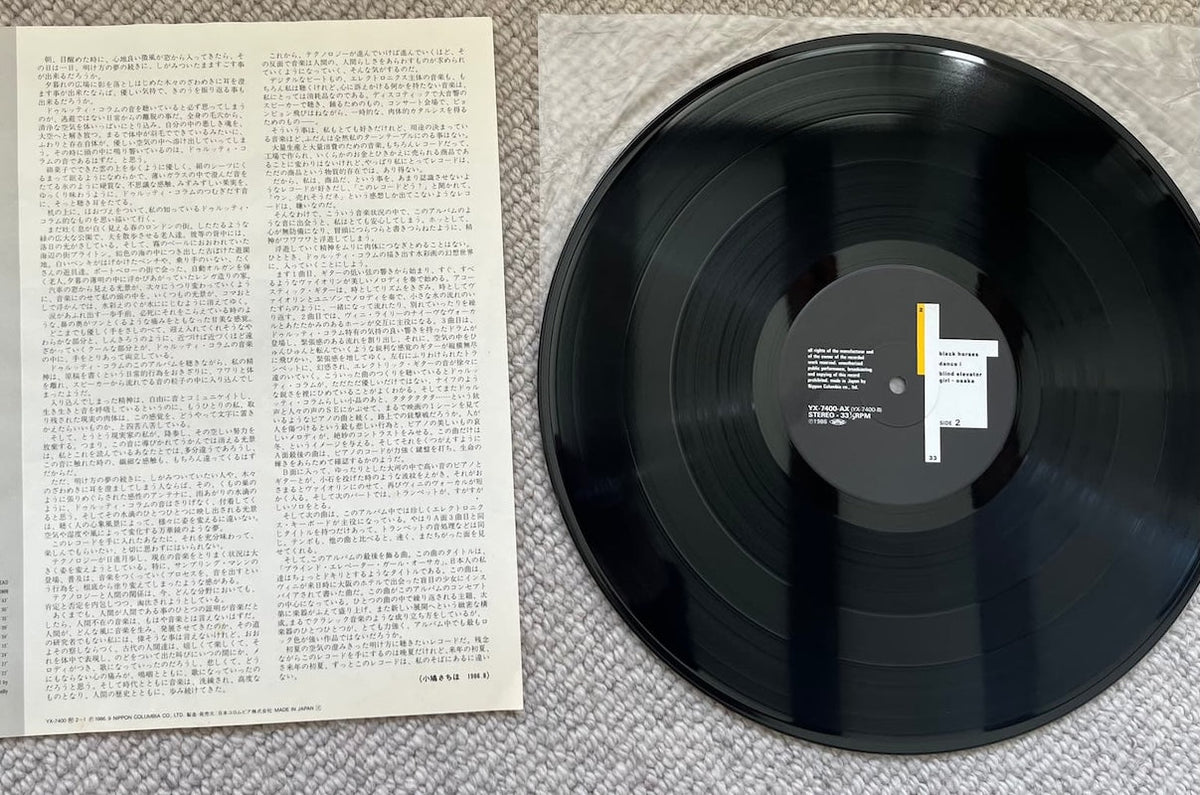
From classic jazz and rock albums to Japanese city pop and exclusive domestic releases, records manufactured for the Japanese market offer collectors something beyond a familiar album on a different label. They can feature unique artwork, carefully produced sleeves, Japanese-language inserts, alternative mastering, and the instantly recognizable paper band known as an obi.
But what makes Japanese vinyl records so desirable? Do they actually sound better? Are they always rare? And how can you identify an authentic Japanese pressing before buying one?
This guide explores the appeal of Japanese vinyl records for collectors, explains what distinguishes them from other editions, and shows you what to look for when adding one to your collection.
What Are Japanese Vinyl Pressings?
A Japanese vinyl pressing is a record manufactured in Japan. It may feature music by a Japanese artist or be a Japanese edition of an album originally released elsewhere.
For example, an American jazz album or British rock album might have been issued in Japan with a different catalog number, localized packaging, and additional printed materials. Depending on the release, it may also have been mastered or cut differently from editions manufactured in other countries.
An important distinction is that a Japanese-market edition is not necessarily a Japanese pressing. A record can be imported into Japan, distributed with Japanese packaging, or sold by a Japanese retailer without having been manufactured there.
Collectors interested in a specific Japanese pressing should verify its manufacturing details rather than relying on the presence of Japanese writing alone.
Why Are Japanese Vinyl Pressings So Collectible?
The appeal of Japanese vinyl comes from several overlapping qualities: distinctive packaging, the history of Japan's record market, specific mastering and manufacturing variations, and the pleasure of owning an international edition of a favorite album.
For some collectors, a Japanese pressing represents a chance to hear a different version of a familiar recording. Others are drawn to the presentation, particularly when an album includes an obi strip, Japanese liner notes, or artwork unavailable on the original release.
There is also the excitement of discovery. An album that is common in one country may have a less familiar Japanese edition with a different cover, track configuration, or release history.
These differences give collectors a reason to search beyond their local record stores and explore the wider world of international vinyl.
The Obi Strip: A Signature Feature of Japanese Vinyl
One of the most recognizable features of many Japanese vinyl releases is the obi strip.
An obi is a removable paper band wrapped around the outside of a record sleeve. It typically displays Japanese-language information about the artist, album, price, series, or promotional campaign.
The term comes from the sash worn with traditional Japanese clothing, although its use in record packaging is a separate commercial application.
Obi strips became a familiar feature of Japanese record releases, particularly during the LP era. They allowed labels to provide local-language information while preserving the original album artwork.
For collectors, an obi can be an important part of a record's original presentation.
Why Does an Original Obi Matter?
A surviving original obi may increase the desirability of a particular edition because it makes the package more complete.
Obi strips are removable and relatively fragile. They can be torn, creased, faded, or discarded over time, meaning that finding an older record with its original obi intact can be more difficult than finding the record and sleeve alone.
However, not every Japanese release originally included an obi, and not every obi is equally scarce.
Some albums were issued with different obi designs across multiple releases or promotional campaigns. Replacement and reproduction obis also exist.
If you are buying a collectible Japanese LP, compare the obi with documented examples of the exact edition rather than assuming any Japanese paper band is correct.
Japanese Inserts, Lyric Sheets, and Liner Notes
The obi is only one part of the packaging appeal.
Many Japanese vinyl editions include inserts containing Japanese-language liner notes, translated lyrics, artist biographies, discographies, or other information intended for the domestic market.
These materials can make an album feel like a different cultural presentation of the same music.
For example, a Japanese edition of a classic rock album might preserve the original cover while adding an insert with translated lyrics and commentary. A jazz release might include notes about the musicians, recording sessions, or historical significance of the album.
For collectors who value complete original packaging, these inserts matter.
When comparing two copies of the same Japanese pressing, one with all its original inserts and another missing them, the complete copy may attract greater collector interest.
Do Japanese Vinyl Pressings Sound Better?
This is one of the most frequently discussed questions in vinyl collecting.
Japanese pressings are often associated with careful manufacturing and quiet playback surfaces. Some listeners also prefer the mastering of particular Japanese editions.
However, Japanese vinyl is not automatically better sounding than a U.S., UK, European, or modern audiophile pressing.
The sound of a record depends on several factors, including the source material, mastering decisions, lacquer cutting, pressing quality, record condition, and playback equipment.
A Japanese pressing may use a different mastering or production source from the original release. That difference can produce a distinct listening experience, but whether it sounds better is a matter of the specific edition and the listener's preferences.
A well-preserved Japanese pressing may sound excellent. So can a well-produced pressing from another country.
The most useful question is not simply, “Is this record Japanese?” It is, “How was this particular edition produced, and how does it compare with the alternatives?”
Why Mastering Matters More Than Country of Manufacture
Mastering has a major influence on the final sound of a vinyl record.
Before music is pressed onto vinyl, the audio is prepared and cut into a lacquer or another suitable mastering medium. Choices involving equalization, level, dynamics, and other technical considerations affect the resulting record.
Different editions of the same album can therefore sound noticeably different.
A Japanese release may have been cut from a production copy of the master rather than the original master tape. Another edition may use a different source or mastering approach entirely.
That does not automatically determine which pressing will sound more enjoyable. A later-generation source can still produce a satisfying record, while access to an original master does not guarantee excellent mastering.
When researching the best Japanese vinyl pressings for audiophiles, focus on the documented mastering and production history of the specific release rather than treating the country of manufacture as a guarantee of sound quality.
Japanese Jazz Vinyl: A Special Attraction for Collectors
Jazz occupies a particularly interesting place in Japanese vinyl collecting.
Japan has a long history of jazz appreciation, record collecting, specialist listening spaces, and domestic releases of international jazz recordings.
For collectors, this has created a rich selection of Japanese editions of albums by influential jazz musicians, alongside recordings by Japanese artists and labels.
Some Japanese jazz releases are sought after because of their mastering, packaging, condition, scarcity, or historical significance. Others offer an accessible way to enjoy music that may be difficult to find in an affordable original pressing.
Japanese Blue Note Pressings
Japanese editions of Blue Note albums are a particularly interesting area of collecting.
Across different periods, Japanese labels and distributors issued many classic Blue Note recordings. These releases can vary in their catalog numbers, mastering, packaging, and manufacturing details.
Collectors should distinguish between individual series and editions rather than assuming all Japanese Blue Note records share the same production characteristics.
For someone who loves jazz, exploring
Japanese Rock Vinyl: Familiar Albums, Different Editions
Japanese pressings of classic rock albums also attract collectors.
Albums by major British and American artists were often released in Japan with localized packaging and catalog numbers. Some editions feature distinctive obi designs, additional inserts, or variations that separate them from releases in other markets.
For collectors who already own a favorite album, a Japanese pressing can provide a compelling alternative edition.
A collector might own a UK pressing for its release history, a modern reissue for everyday listening, and a Japanese edition for its packaging or particular mastering.
Each copy can serve a different purpose within the collection.
Japanese City Pop and the Appeal of Domestic Releases
Japanese vinyl collecting extends far beyond international albums reissued for the domestic market.
One of its most distinctive areas is Japanese music itself, including city pop, jazz fusion, funk, soul, rock, and electronic music.
City pop is a broad term commonly associated with sophisticated Japanese pop music of the late 1970s and 1980s, drawing on influences such as funk, disco, jazz, soul, and contemporary Western pop.
The renewed international interest in city pop has introduced many listeners to Japanese artists and recordings that were previously less familiar outside Japan.
For collectors, original domestic editions can offer period-specific artwork, original inserts, and a tangible connection to the music's release history.
However, growing interest does not mean every original city pop record is rare or valuable. Availability and demand vary considerably by artist, album, edition, and condition.
Are Japanese Vinyl Pressings Rare?
Some are. Many are not.
Japanese vinyl records were produced across decades, genres, and price points. Certain albums were issued in substantial quantities, while others had limited distribution or relatively small production runs.
A common Japanese edition of an internationally popular album may be easy to find. A scarce domestic jazz release, unusual promotional edition, or discontinued pressing may be much harder to locate.
Rarity also depends on where you are searching. A record that appears infrequently in European or American stores may be more readily available in Japan.
Before paying a premium, research the exact edition and compare its availability with other copies.
The words “Japanese pressing” should describe a record's origin—not serve as proof that it is rare.
How to Identify an Authentic Japanese Vinyl Pressing
Identifying a Japanese pressing requires the same careful research used to authenticate other collectible records.
Start with the record itself, then compare the cover, label, catalog number, runout information, and packaging with reliable references for the specific release.
Check the Catalog Number
Japanese releases often have catalog numbers that differ from their international counterparts.
A catalog number can help identify the record label, release series, or particular edition. However, it should not be used alone because some identifiers may appear across related releases or repressings.
Compare the number printed on the sleeve and center label with documented examples.
Examine the Center Label
The center label may include the Japanese record company's name, localized copyright information, or other identifying details.
Look for label designs and manufacturing information consistent with the edition being advertised.
A record sold in Japan is not necessarily a record pressed in Japan, so confirm the distinction whenever it matters to your purchase.
Read the Matrix and Runout Information
The matrix and runout markings are located between the final groove and the center label.
They may contain identifiers associated with the cut, manufacturing process, or pressing.
If you are researching how to read vinyl matrix numbers, record the complete inscriptions from both sides and compare them with documented copies of the edition you are considering.
Matrix information can help distinguish between different Japanese pressings or reveal that a record belongs to another edition entirely.
Verify the Obi and Inserts
If a seller advertises a record as complete with its original obi and inserts, check whether those materials match the exact release.
Different pressings of the same album may have different obi designs or inserts.
A correct-looking obi from another edition does not necessarily make the package complete or original.
Compare the Release History
Finally, investigate when the album was issued in Japan and whether it was subsequently repressed or reissued.
A Japanese record with a copyright date matching the album's original international release is not automatically a Japanese first pressing.
As with other collectible records, the copyright date alone does not establish when a particular copy was manufactured.
Japanese First Pressings vs. Later Reissues
For collectors, it is important to distinguish an original Japanese pressing from a later Japanese reissue.
An album might have been released in Japan shortly after its international debut and then reissued several times over subsequent decades.
These editions may feature different catalog numbers, obi strips, labels, inserts, or mastering.
A later reissue is not a counterfeit simply because it is not the first Japanese edition.
Likewise, a Japanese first pressing is not necessarily the album's first pressing worldwide.
When searching for original Japanese vinyl pressings, make sure you know whether you want the earliest Japanese edition, the original release from the artist's home market, or a particular mastering or reissue series.
Why Condition Matters When Buying Japanese Vinyl
Collectors often associate Japanese records with careful ownership and attractive surviving packaging. Nevertheless, every used record should be evaluated individually.
A Japanese pressing can have scratches, groove wear, warping, sleeve damage, surface noise, or missing inserts just like any other record.
When buying online, review the seller's grading system and examine photographs whenever possible.
For expensive purchases, it can be helpful to ask whether the record has been visually graded or play-graded, and whether any playback issues have been identified.
Pay particular attention to the condition of the obi and original inserts if those materials are important to you.
A beautiful sleeve does not guarantee that the vinyl itself is in excellent condition.
What Makes a Japanese Vinyl Record Valuable?
The value of a Japanese pressing depends on more than its country of manufacture.
Collector demand, rarity, condition, mastering reputation, historical significance, and packaging completeness can all influence the market for a particular edition.
An original obi or scarce insert may make a record more desirable, but its effect on value varies by release.
A sought-after Japanese jazz pressing can command substantial collector interest, while a common Japanese edition of a popular album may remain relatively affordable.
If you are evaluating rare Japanese vinyl records, compare recent sales of the exact pressing in similar condition rather than relying solely on asking prices.
A record's advertised price reflects what a seller hopes to receive; it does not necessarily establish its current market value.
Where to Buy Japanese Vinyl Records Online
Finding the right seller is particularly important when shopping for international pressings.
Look for online vinyl stores that clearly identify the edition being sold and provide useful information about its condition and packaging.
For collectible Japanese records, the presence or absence of the original obi, inserts, and other accessories should be made clear whenever those details are relevant.
A seller's return policy and packaging practices also matter. Vinyl records require appropriate protection during international shipping, and fragile paper obis can be damaged if handled carelessly.
When deciding where to buy Japanese vinyl records online, prioritize accurate descriptions, transparent grading, and reliable shipping over broad claims that every Japanese pressing is rare or audiophile quality.
How to Choose the Right Japanese Pressing for Your Collection
The right edition depends on what you want from the record.
If your priority is sound quality, investigate the mastering history and listening impressions associated with the exact pressing. If you value original artwork and packaging, look for a complete copy with the appropriate obi and inserts.
If historical significance matters most, research the earliest Japanese release and how it differs from the album's original issue elsewhere.
You may also simply prefer the appearance of a particular edition.
There is no requirement to pursue the most expensive or earliest copy. A later Japanese reissue in excellent condition may be a satisfying addition to your collection.
The key is understanding what you are buying and why that particular pressing appeals to you.
Discover Collectible Vinyl at STMedia
Japanese vinyl pressings demonstrate how much variety can exist within a single album's release history. Different mastering, packaging, artwork, and manufacturing details can turn a familiar recording into an entirely different collecting experience.
At STMedia, we focus on rare, exclusive, and limited pressings you won’t easily find elsewhere. Our vinyl collection spans genres including jazz, rock, classical, alternative, and more, giving music lovers opportunities to discover distinctive editions and expand their collections.
Whether you are searching for a Japanese pressing of a favorite album, exploring collectible jazz records, or looking for a unique release to add to your shelves, the best approach is to compare the available editions and choose the record that matches your interests.
Visit STMedia to explore our current vinyl selection and discover your next addition. For questions about a particular record or pressing, contact us before ordering.
Final Thoughts: Why Japanese Vinyl Continues to Fascinate Collectors
Japanese vinyl pressings offer an intriguing combination of music, design, manufacturing history, and international record culture.
The obi strip, Japanese-language inserts, distinctive catalog numbers, and edition-specific mastering can make a Japanese record feel different from the version you already know.
Yet the most rewarding part of collecting Japanese vinyl is not assuming that every copy is automatically rare, valuable, or better sounding. It is discovering what makes each particular edition distinctive.
For collectors willing to research pressing details, compare releases, and appreciate the complete physical package, Japanese vinyl opens the door to an absorbing world of musical discovery.
Read more

For serious vinyl collectors, some of the most valuable information about a record is not printed on the album cover. It is hidden in plain sight in the narrow area between the final groove and the...
For vinyl collectors, choosing between a mono and stereo pressing can be more complicated than it first appears. Two copies of the same album may feature identical artwork, nearly identical track l...