
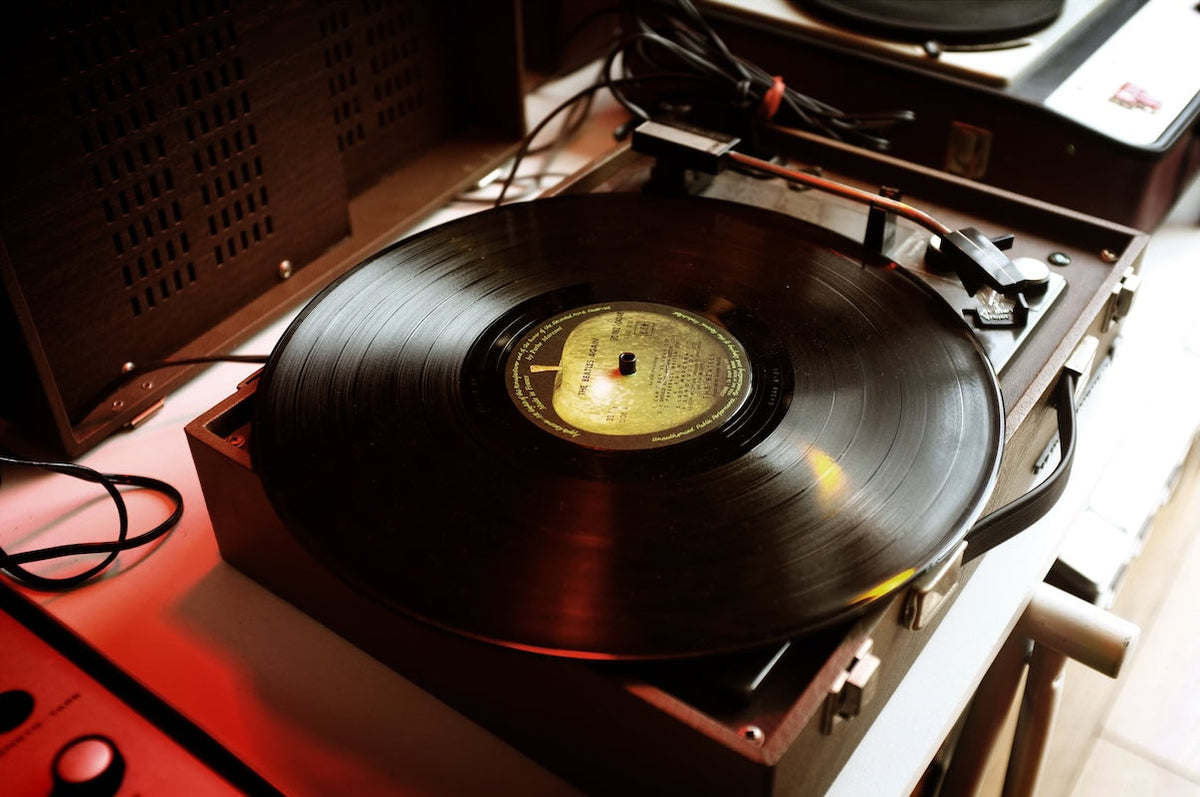
The Science of Vinyl Sound: Why Analog Still Beats Digital in 2026
In an era dominated by streaming services, high-resolution digital audio, and wireless convenience, one might wonder: Why does vinyl still captivate audiophiles and music lovers in 2026? The answer lies in the science of analog sound - a rich, warm, and immersive experience that digital formats, despite their technological advancements, still struggle to replicate.
At STMedia, we’ve spent years helping music enthusiasts rediscover the magic of vinyl. Since 2017, we’ve seen firsthand how analog sound creates a deeper emotional connection with listeners. Whether it’s the nuances of a live jazz performance, the raw energy of a rock anthem, or the intimacy of a singer-songwriter’s ballad, vinyl offers a listening experience that feels alive. In this article, we’ll dive into the science behind vinyl sound, exploring why analog still beats digital in 2026 and how you can experience it for yourself with high-quality vinyl records.
Chapter 1: The Fundamentals of Analog vs. Digital Sound
To understand why vinyl sounds so special, it’s essential to grasp the differences between analog and digital audio. These differences are rooted in how sound is captured, stored, and reproduced.
1. How Analog Sound Works
Analog sound, as heard on vinyl records, is a continuous wave that mirrors the original sound wave created by the music. Here’s how it works:
- Recording: When an artist performs, the sound waves are captured by microphones and converted into electrical signals. These signals are then etched into a master disc as a groove that varies in width and depth based on the sound’s frequency and amplitude.
- Pressing: The master disc is used to create stampers, which press the groove pattern onto vinyl records.
- Playback: When you play a vinyl record, the stylus (needle) traces the groove, vibrating in response to its shape and depth. These vibrations are then amplified and converted back into sound waves that you hear.
Key Takeaway: Analog sound is a direct, physical representation of the original performance, preserving the natural dynamics and subtleties of the music.
2. How Digital Sound Works
Digital sound, on the other hand, is a discrete representation of audio. Here’s the process:
- Recording: Sound waves are sampled at a specific rate (e.g., 44.1 kHz for CDs) and quantized into binary code (1s and 0s). This process captures snapshots of the sound wave at regular intervals.
- Storage: The digital data is stored on hard drives, CDs, or streaming servers.
- Playback: When you play a digital file, the data is converted back into an analog signal using a digital-to-analog converter (DAC). This signal is then amplified and played through speakers or headphones.
Key Takeaway: Digital sound is a series of approximations of the original sound wave. While it can achieve high fidelity, it inherently loses some of the continuous, organic qualities of analog sound.
3. The Core Differences
| Aspect | Analog (Vinyl) | Digital (Streaming/CD) |
|---|---|---|
| Sound Representation | Continuous wave | Discrete samples (1s and 0s) |
| Dynamic Range | Natural, wide dynamic range | Compressed (especially in streaming) |
| Frequency Response | Smooth, natural frequencies | Can suffer from aliasing or artifacts |
| Warmth & Texture | Rich, warm, and organic | Can sound sterile or artificial |
| Durability | Physical wear over time | No degradation (if stored properly) |
| Tactile Experience | Hands-on, ritualistic listening experience | Instant, convenient access |
STMedia Tip: The organic, continuous nature of analog sound is what gives vinyl its unique charm and emotional resonance.
Chapter 2: The Science Behind Vinyl’s Superior Sound
Now that we understand the basics, let’s dive into the scientific reasons why vinyl often outperforms digital in terms of sound quality and listening experience.
1. Continuous vs. Discrete Sound
As mentioned earlier, analog sound is continuous, while digital sound is discrete. This fundamental difference has profound implications for how we perceive music:
- Analog: The groove on a vinyl record is a continuous wave that mirrors the original sound. This means there are no gaps or interruptions in the audio signal, resulting in a smoother, more natural sound.
- Digital: Digital audio is made up of thousands of samples per second. While this can achieve high fidelity, it’s still an approximation of the original sound wave. Some audiophiles argue that this discrete nature can lead to a less organic listening experience.
STMedia Tip: The continuous sound wave of vinyl is one reason why it feels more "alive" compared to digital formats.
2. Dynamic Range and Compression
Dynamic range refers to the difference between the quietest and loudest parts of a recording. Vinyl excels in this area for several reasons:
- Natural Dynamics: Analog recordings naturally capture the full dynamic range of a performance, from the softest whisper to the loudest crescendo, without artificial compression.
- No Loudness Wars: Many digital recordings, especially those intended for streaming or radio, are heavily compressed to make them sound louder. This compression flattens the dynamic range, reducing the emotional impact of the music. Vinyl, on the other hand, preserves the original dynamics, allowing for a more engaging listening experience.
STMedia Tip: Our high-quality vinyl pressings are mastered to preserve dynamic range, so you can hear the music as it was intended.
3. Harmonic Distortion and Warmth
One of the most beloved qualities of vinyl is its warm, rich sound. This is partly due to harmonic distortion—a phenomenon where the vinyl medium adds subtle harmonics to the original sound, enriching the listening experience.
- Even-Order Harmonics: Vinyl introduces even-order harmonics (e.g., 2nd, 4th, 6th), which are musically pleasing and add warmth and depth to the sound.
- Odd-Order Harmonics: Digital formats can introduce odd-order harmonics (e.g., 3rd, 5th, 7th), which can sound harsh or unnatural.
STMedia Tip: The harmonic distortion of vinyl is one reason why it sounds so warm and inviting—a quality that many digital recordings lack.
4. The Role of the Turntable and Stylus
The turntable and stylus play a crucial role in the vinyl listening experience. Unlike digital playback, which relies on algorithms and DACs, vinyl playback is a mechanical process that adds its own unique character to the sound:
- Stylus Shape and Material: The shape (e.g., elliptical, Shibata) and material (e.g., diamond, sapphire) of the stylus can affect how accurately it traces the groove, influencing the clarity and detail of the sound.
- Turntable Quality: A high-quality turntable with a stable platter, low-vibration motor, and precise tonearm can minimize distortion and maximize sound fidelity.
STMedia Tip: Investing in a quality turntable and stylus can elevate your vinyl listening experience. Check out our turntable accessories to find the perfect setup for your needs.
5. The Ritual of Listening
While not strictly a scientific aspect, the ritual of listening to vinyl plays a significant role in why many people prefer it over digital. The act of physically placing a record on a turntable, lowering the needle, and flipping the album creates a more intentional and immersive listening experience. This mindful engagement with the music can enhance your emotional connection to the sound.
STMedia Tip: The tactile and ritualistic nature of vinyl is part of what makes it so special and enduring.
Chapter 3: The Limitations of Digital Audio
While digital audio has many advantages (e.g., convenience, portability, and noise-free playback), it also has limitations that can affect the listening experience:
1. The Nyquist Theorem and Aliasing
The Nyquist Theorem states that to accurately reconstruct a signal, the sampling rate must be at least twice the highest frequency in the signal. For example, CDs use a 44.1 kHz sampling rate, which can theoretically capture frequencies up to 22.05 kHz (the upper limit of human hearing).
However, real-world limitations can lead to:
- Aliasing: If frequencies above the Nyquist frequency are present, they can fold back into the audible range, creating unwanted artifacts.
- Anti-Aliasing Filters: These filters are used to remove frequencies above the Nyquist frequency, but they can also affect the sound quality by introducing phase distortion or roll-off.
STMedia Tip: Vinyl doesn’t suffer from aliasing or digital artifacts, making it a pure, unaltered listening experience.
2. Lossy Compression
Most streaming services (e.g., Spotify, Apple Music) use lossy compression (e.g., MP3, AAC) to reduce file sizes. This compression discards some of the original audio data, which can result in:
- Reduced dynamic range.
- Loss of detail and clarity.
- Artifacts or distortions in the sound.
STMedia Tip: While high-resolution digital formats (e.g., FLAC, WAV) can minimize these issues, they still lack the organic warmth and depth of vinyl.
3. The "Loudness War"
In an effort to make music sound louder and more attention-grabbing, many digital recordings are heavily compressed and limited. This loudness war has led to:
- Reduced dynamic range, making music sound flatter and less engaging.
- Listener fatigue, as the constant loudness can be tiring on the ears.
STMedia Tip: Vinyl records naturally preserve dynamic range, allowing for a more engaging and enjoyable listening experience.
Chapter 4: The Best Vinyl Records to Experience Analog Sound
If you’re new to vinyl or looking to upgrade your collection, here are some of the best records to experience the magic of analog sound. These albums are renowned for their production quality, dynamic range, and emotional impact—making them perfect for showcasing vinyl’s strengths.
1. Classic Rock
Pink Floyd – The Dark Side of the Moon (1973)
- Why It’s Great for Vinyl: This iconic album is a masterclass in production, with rich textures, deep bass, and intricate details that shine on vinyl. The analog warmth enhances the atmospheric and immersive nature of the music.
- STMedia Recommendation: Our 180g remastered pressing of this album delivers exceptional sound quality and durability.
The Beatles – Abbey Road (1969)
- Why It’s Great for Vinyl: The dynamic range and layered instrumentation of Abbey Road make it a perfect showcase for vinyl’s strengths. The warmth and clarity of the analog sound bring out the nuances of the band’s performance.
2. Jazz
Miles Davis – Kind of Blue (1959)
- Why It’s Great for Vinyl: The subtle interplay between instruments and the improvisational nature of jazz are perfectly captured on vinyl. The analog sound enhances the intimacy and emotion of the performance.
- STMedia Recommendation: Our 60th Anniversary Remaster offers a pristine listening experience.
John Coltrane – A Love Supreme (1965)
- Why It’s Great for Vinyl: The spiritual and emotional depth of A Love Supreme is amplified by vinyl’s warm, organic sound. The dynamic range of the recording allows for a more immersive listening experience.
- STMedia Recommendation: Our 200g audiophile pressing is a must-have for jazz lovers.
3. Classical
Ludwig van Beethoven – Symphony No. 9 (Herbert von Karajan, 1963)
- Why It’s Great for Vinyl: The grandeur and emotional power of Beethoven’s Ninth Symphony are perfectly suited to vinyl’s dynamic range and warmth. The analog sound captures the full orchestral experience with clarity and depth.
- STMedia Recommendation: Our 180g remastered pressing is ideal for classical music lovers.
Frédéric Chopin – Nocturnes (Arthur Rubinstein, 1965)
- Why It’s Great for Vinyl: The delicate and expressive nature of Chopin’s Nocturnes is beautifully captured on vinyl. The analog sound enhances the emotional resonance of Rubinstein’s performance.
- STMedia Recommendation: Our high-quality pressing is perfect for experiencing the nuances of classical piano.
4. Modern Favorites
Adele – 21 (2011)
- Why It’s Great for Vinyl: Adele’s powerful vocals and emotional lyrics are perfectly suited to vinyl’s warm, rich sound. The analog medium enhances the intimacy and raw emotion of the album.
- STMedia Recommendation: Our 10th Anniversary Remaster delivers superior sound quality and durability.
Billie Eilish – When We All Fall Asleep, Where Do We Go? (2019)
- Why It’s Great for Vinyl: The dark, atmospheric sound of Billie Eilish’s debut album is enhanced by vinyl’s warmth and depth. The analog sound brings out the subtle details and textures of the production.
- STMedia Recommendation: Our 2021 Remaster is a modern classic for vinyl collectors.
Chapter 5: How STMedia Can Help You Experience the Best of Analog Sound
At STMedia, we’re passionate about helping you experience the magic of analog sound. Here’s how we can support you in building a vinyl collection that delivers superior sound quality and emotional resonance:
1. Curated Selection of High-Quality Vinyl
We handpick every record in our store, focusing on:
- High-quality pressings (180g, 200g, and audiophile-grade).
- Remastered editions for superior sound quality.
- Classic and modern albums that showcase vinyl’s strengths.
2. Expert Guidance
Our team of vinyl experts is here to help you find the perfect records for your collection. Whether you’re looking for a specific album, artist, or genre, we can provide personalized recommendations to enhance your listening experience.
3. Detailed Product Descriptions
Every record in our store comes with a detailed description, including:
- Pressing quality (e.g., 180g, 200g, remastered).
- Sound characteristics (e.g., warm, dynamic, detailed).
- Key features (e.g., colored vinyl, special packaging, bonus content).
STMedia Tip: Our transparent descriptions ensure you know exactly what you’re getting and how it will sound on your turntable.
4. Fast and Secure Shipping
We know how exciting it is to add a new record to your collection. That’s why we offer fast, reliable shipping with buyer protection, so your records arrive in pristine condition.
STMedia Tip: We carefully package every order to ensure it reaches you safely and securely.
5. Exceptional Customer Service
Our dedicated customer service team is here to support you every step of the way. Whether you have a question about a pressing or need help with an order, we’re just an email or phone call away.
Rediscover the Magic of Analog Sound
In 2026, vinyl continues to thrive as a medium that offers a unique, immersive, and emotionally resonant listening experience. The science of analog sound—with its continuous waves, dynamic range, and harmonic warmth—explains why so many music lovers still prefer vinyl over digital.
At STMedia, we’re committed to helping you experience the best of analog sound. From high-quality vinyl pressings to expert guidance and exceptional service, we’ve got everything you need to build a collection that sounds as good as it feels.
Read more
In the world of vinyl, remastered records are the gold standard for audiophiles and serious collectors. While original pressings hold a special place in music history, remastered vinyl offers enhan...
In a world where music is increasingly intangible - streamed, downloaded, and stored in the cloud - vinyl records offer something deeply human: a physical connection to the music we love. But why d...