
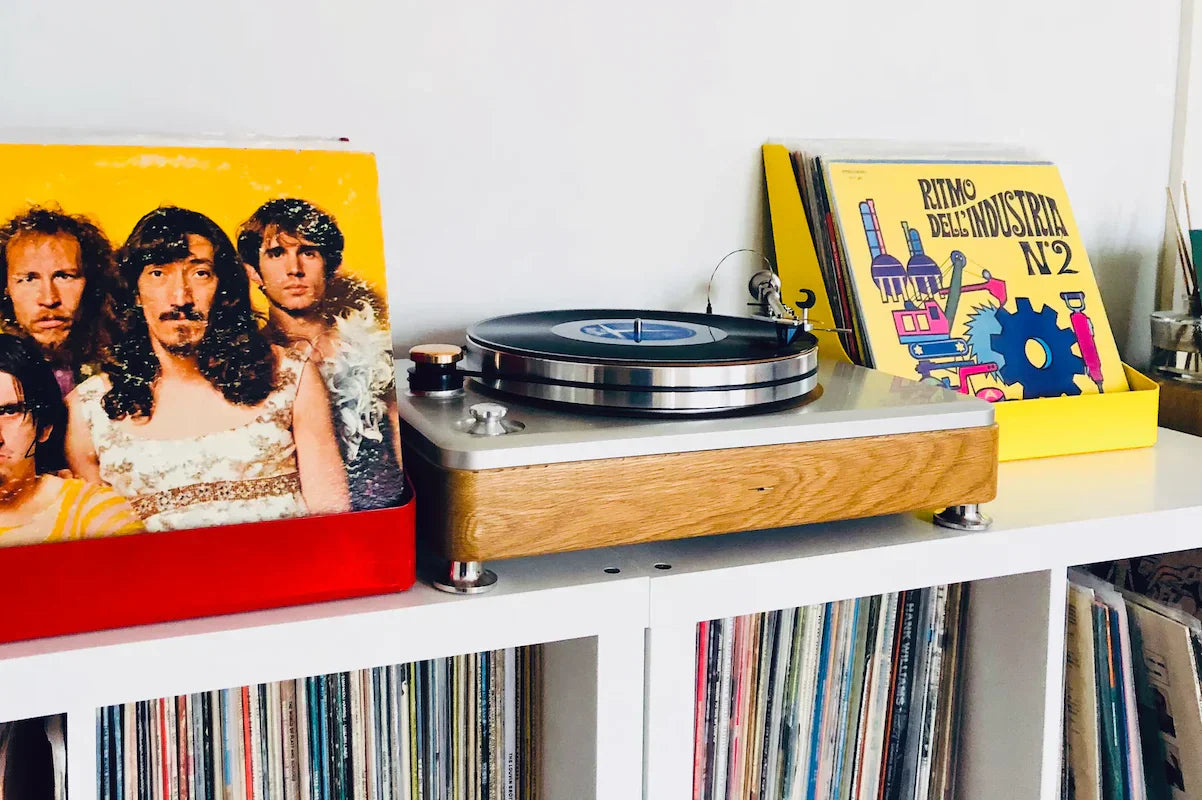
The History of Vinyl Records: From 78s to Modern Pressings
The story of vinyl records is a journey through more than a century of innovation, culture, and sound. From fragile shellac discs to today’s high-quality audiophile pressings, the evolution of vinyl reflects the way people have experienced music across generations. For collectors and enthusiasts, understanding the history of vinyl records adds a deeper appreciation to every spin.
Today, vinyl is not only surviving — it is thriving. To understand why, we need to look back at where it all began.
The Era of 78 RPM Records
The earliest form of recorded music on disc came in the late 19th and early 20th centuries with 78 RPM records. These discs were made from shellac, a brittle material that required careful handling.
78s typically held only a few minutes of audio per side, which meant that longer works had to be split across multiple discs. Despite their limitations, they marked a revolutionary step in making music accessible to the public.
These early records laid the foundation for everything that followed, even though they lacked the durability and sound fidelity of later formats.
The Introduction of Vinyl and the LP
The major breakthrough came in 1948 when Columbia Records introduced the 33 1/3 RPM long-playing (LP) vinyl record. Made from polyvinyl chloride (vinyl), these records were more flexible, durable, and capable of holding much more music per side.
For the first time, listeners could enjoy entire albums without constantly changing discs. This innovation transformed the music industry and gave rise to the concept of the album as a complete artistic statement.
Vinyl records quickly became the dominant format, offering improved sound quality and convenience compared to 78s.
The Rise of the 45 RPM Single
Shortly after the LP, the 45 RPM record was introduced, primarily for singles. These smaller records became extremely popular for individual songs and were widely used in jukeboxes.
The 45 format played a key role in the rise of popular music, allowing hit songs to reach a wider audience. While LPs focused on full albums, 45s captured the energy of individual tracks.
Together, these formats defined the golden age of vinyl.
The Golden Age of Vinyl
From the 1950s through the 1970s, vinyl records dominated the music industry. This period is often considered the golden age of vinyl, as artists began to fully embrace the album format.
Iconic releases in jazz, rock, classical, and soul were designed specifically for vinyl. Album artwork became an essential part of the experience, turning records into visual as well as auditory works of art.
During this time, many of the best-selling vinyl records and most influential albums in history were produced. Original pressings from this era are now highly sought after by collectors.
The Decline in the Digital Era
The late 1970s and 1980s saw the introduction of new formats such as cassette tapes and compact discs. These formats offered greater portability and convenience, leading to a gradual decline in vinyl’s popularity.
By the 1990s, vinyl records had largely disappeared from mainstream use. Music consumption shifted toward digital formats, and many record stores closed or reduced their vinyl inventory.
For a time, vinyl seemed like a relic of the past.
The Vinyl Revival
In the early 2000s, vinyl began to make an unexpected comeback. What started as a niche interest among DJs and collectors quickly grew into a global trend.
Today, vinyl records are making a comeback in a major way. Sales have increased year after year, and new generations are discovering the appeal of analog sound.
Several factors have contributed to this revival. Listeners are seeking a more immersive and authentic music experience. Collectors are drawn to the physical nature of records. Artists are embracing vinyl as a way to connect more deeply with their audience.
Modern Pressings and Audiophile Quality
Today’s vinyl market is more diverse than ever. Modern pressings include everything from standard releases to high-end 180-gram vinyl records designed for audiophiles.
Advancements in mastering and production have improved sound quality, while new designs — such as colored vinyl records and limited editions — have added visual appeal.
These innovations have elevated vinyl from a nostalgic format to a premium product. Collectors now have access to both classic reissues and brand-new releases that meet high standards of quality.
Vinyl as a Cultural and Collectible Medium
Vinyl records are no longer just a way to listen to music — they are cultural artifacts and collectible items. Rare vinyl records, first pressings, and limited editions can hold significant value and continue to attract collectors worldwide.
The vinyl community has also grown, with record stores, online marketplaces, and social platforms connecting enthusiasts across the globe.
This combination of history, quality, and collectibility is what makes vinyl unique in today’s digital age.
Discover Vinyl History at STMedia
At STMedia, we celebrate every era of vinyl — from classic pressings to modern releases. Since 2017, we have been dedicated to providing collectors with high-quality records that reflect the rich history and ongoing evolution of vinyl.
Our catalog includes rare vinyl records, original pressings, limited edition releases, and audiophile-quality albums across jazz, rock, classical, and alternative genres. Whether you’re interested in vintage records or the latest pressings, we offer a curated selection designed for true music lovers.
With over one million records sold worldwide, STMedia is trusted for authenticity, secure shipping, and reliable service. We are passionate about helping collectors connect with the history of music through vinyl.
Visit https://www.stmedia.us/ to explore our collection and experience the timeless journey of vinyl records — from the earliest 78s to the finest modern pressings.
Read more
Finding the perfect gift can be challenging, especially when you want something meaningful, personal, and memorable. In a world filled with digital subscriptions and disposable items, vinyl records...
In today’s digital world, vinyl collecting has not only survived — it has thrived. As more music lovers rediscover the warmth and authenticity of analog sound, the demand for reliable vinyl stores ...