
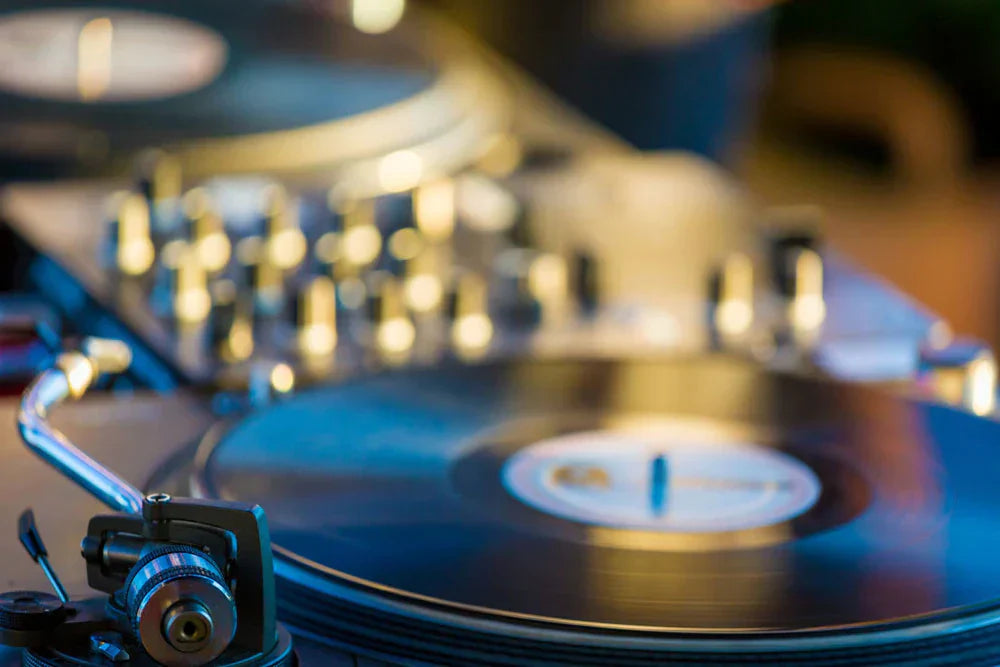
How Vinyl Record Grading Works
If you’re buying or selling records, understanding vinyl record grading is essential. Whether you’re a beginner building your first collection or an experienced collector searching for rare pressings, grading determines what you’re really getting in terms of condition, sound quality, and value.
Because vinyl is a physical format, every record tells a story — and its condition directly affects how it plays and how much it’s worth. Learning how the vinyl grading system works allows you to make smarter purchases, avoid disappointment, and build a collection you can trust.
Why Vinyl Record Grading Matters
Unlike digital music, vinyl records are subject to wear, handling, and environmental damage. Even a rare or valuable record can lose significant worth if it is scratched, warped, or poorly stored.
That’s where grading comes in. Sellers use standardized grading terms to describe the condition of both the vinyl itself and its packaging. For buyers, this creates transparency and sets expectations about playback quality and visual condition.
When you understand vinyl record grading, you can confidently evaluate listings, compare prices, and identify high-quality records worth adding to your collection.
The Standard Vinyl Grading System
Most sellers use the Goldmine grading system, which has become the industry standard. This system categorizes records based on condition, ranging from perfect, unplayed copies to heavily worn records.
Mint (M)
A Mint record is essentially perfect. It has never been played and shows no visible flaws. The sleeve and packaging are also in pristine condition. In reality, true Mint records are extremely rare, especially for older releases.
Near Mint (NM or M-)
Near Mint is one of the most desirable grades for collectors. The record may have been played a few times but shows no visible wear. Surface noise is minimal or nonexistent, and the audio quality is close to perfect.
Most serious collectors aim for Near Mint vinyl records because they offer excellent sound quality while still being attainable.
Very Good Plus (VG+)
A Very Good Plus record will show some signs of use, such as light surface marks or minor sleeve wear, but it still plays very well. Occasional background noise may be present, but it does not overpower the music.
This is a popular grade for buyers looking to balance quality and affordability.
Very Good (VG)
A Very Good record has more noticeable wear. Surface noise, pops, or crackles may be present, especially during quieter passages. The sleeve may show ring wear, creases, or small tears.
While not ideal for audiophiles, VG records can still be enjoyable for casual listening.
Good (G) and Below
Despite the name, a “Good” record is heavily worn. It may have scratches, significant noise, or playback issues. Lower grades are typically purchased only for rare titles where better copies are unavailable.
Grading the Vinyl vs. the Sleeve
Vinyl grading applies to both the record and its packaging, but they are evaluated separately. A record might be graded VG+ while the sleeve is VG, depending on wear and condition.
The vinyl itself is always the most important factor for playback quality, but collectors also value original sleeves, inserts, and artwork — especially for rare vinyl records.
Visual vs. Play Grading
Grading can be based on visual inspection or actual playback. Visual grading involves examining the surface under good lighting to identify scratches, scuffs, or defects.
Play grading goes a step further by listening to the record to assess sound quality. This method provides a more accurate evaluation but is not always possible for large inventories.
When buying vinyl records online, it’s important to check whether the seller uses visual grading, play grading, or both.
Common Mistakes to Avoid
One of the biggest challenges for new collectors is misunderstanding grading descriptions. Terms like “looks great” or “plays fine” are not standardized and can be misleading. Always rely on official grading categories when possible.
Another common mistake is underestimating the importance of condition. A rare record in poor condition may be less valuable — and less enjoyable — than a more common record in excellent condition.
Finally, be cautious when buying from unknown sources. Accurate grading requires experience and attention to detail.
How Grading Affects Value
Condition has a direct impact on price. A Near Mint copy of a rare album can be worth significantly more than the same record in Very Good condition. Even small differences in grading can lead to large price variations.
For collectors focused on investment, buying higher-grade records is often the best strategy. For casual listeners, slightly lower grades may offer better value without sacrificing too much sound quality.
Understanding vinyl record grading helps you decide when a record is worth the price — and when it’s better to keep searching.
Buy with Confidence at STMedia
At STMedia, we know that trust and accuracy are essential when buying vinyl records online. Since 2017, we have built a reputation for providing carefully graded, high-quality records to collectors around the world.
Our catalog includes original pressings, limited edition vinyl, colored vinyl records, and rare releases across multiple genres. Every record is described with attention to detail, ensuring you know exactly what to expect.
With over one million records sold, STMedia is committed to authenticity, secure packaging, and reliable service. Whether you’re searching for Near Mint collectibles or affordable listening copies, we provide a curated selection that meets the needs of every collector.
Visit https://www.stmedia.us/ to explore our collection and experience vinyl buying with confidence and clarity.
Read more
Vinyl collecting is no longer just a passion — it has become a serious market where certain records appreciate in value year after year. For collectors and investors alike, understanding which rare...
In an era dominated by streaming platforms, instant downloads, and digital convenience, one might expect physical media to fade into obscurity. Yet the opposite has happened. Vinyl records are maki...