
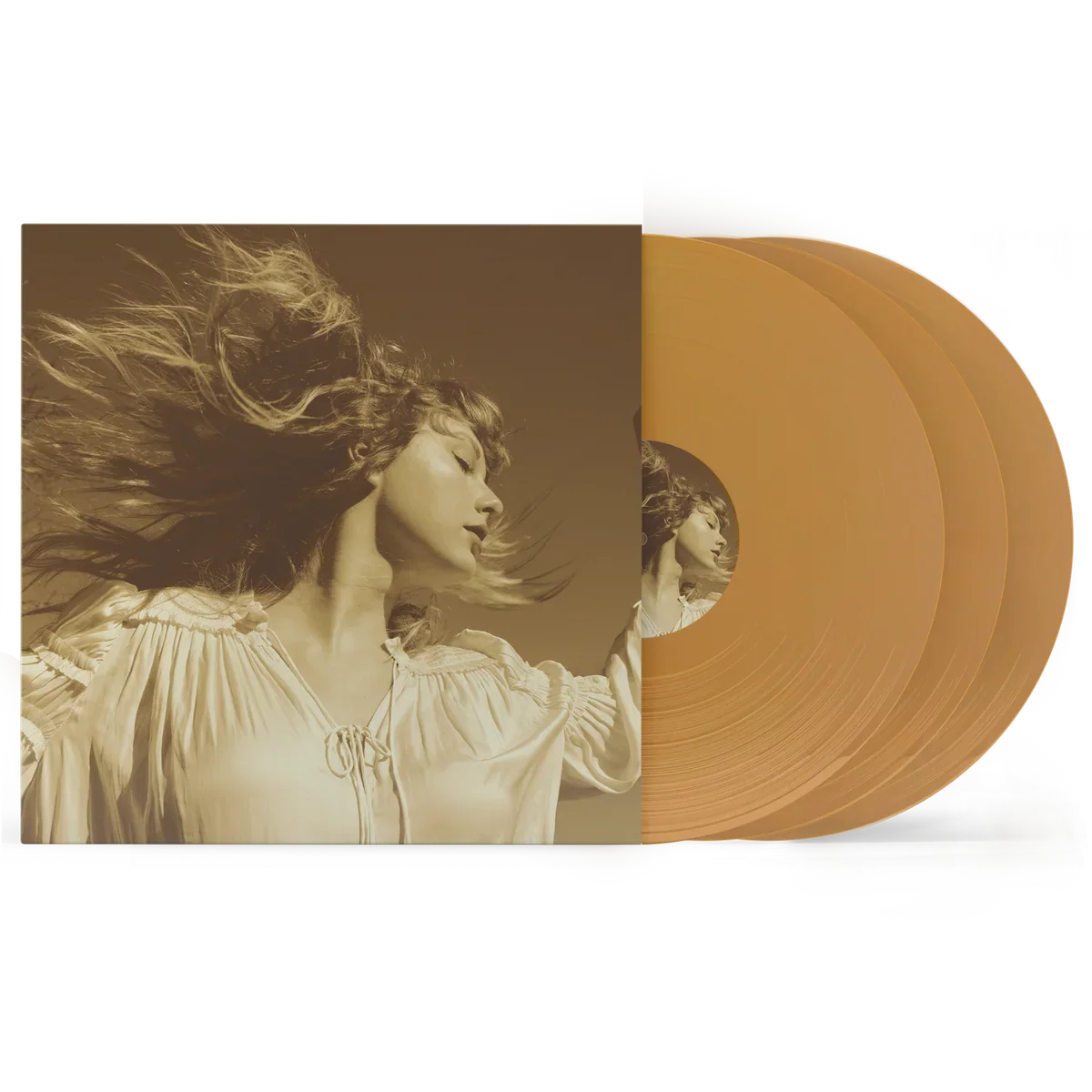
Are You Buying Fake Vinyl? Here’s How to Tell
Vinyl collecting has become more popular than ever, and with that growth comes an important question for collectors: How can you tell whether a vinyl record is authentic? As demand increases for rare pressings, original editions, limited releases, and collectible albums, buyers need to be more careful about what they purchase.
A record that looks old is not necessarily an original pressing. A familiar album cover does not automatically mean the record inside is authentic. Reissues, unofficial pressings, counterfeit records, bootlegs, and misleading listings can sometimes make it difficult to determine exactly what you are buying.
The good news is that collectors can learn to recognize the most important signs of an authentic record. By examining the label, catalog number, matrix information, artwork, pressing details, and condition — and by purchasing from reputable sellers — you can significantly reduce the risk of buying a counterfeit or incorrectly described record.
If you are learning how to know if a vinyl is original, this guide will walk you through the most important details to check before making a purchase.
Why Counterfeit and Unofficial Vinyl Records Exist
Counterfeit records are usually produced because there is strong demand for a particular release. When an album becomes highly collectible, rare copies can become expensive, creating an incentive for unauthorized manufacturers to reproduce them.
Popular albums, rare jazz releases, sought-after rock records, limited editions, and records by legendary artists can attract particular attention from counterfeiters.
Not every non-original record is necessarily a “fake.” There is an important difference between an authorized reissue and an unofficial counterfeit. A legitimate reissue is produced with the appropriate rights and is generally clearly identified as a later edition. A counterfeit attempts to imitate an existing release without authorization or is deliberately misrepresented as something it is not.
For collectors, the key is knowing exactly which edition they are purchasing.
Start With the Seller
One of the simplest ways to reduce your risk is to consider where the record is coming from.
When searching for the best places to buy records online, look for sellers that provide detailed product information rather than vague descriptions. A trustworthy seller should be willing to identify the release, describe its condition accurately, and provide relevant information about the pressing.
Be cautious when a supposedly rare record is offered at an unusually low price without a convincing explanation. Likewise, extremely high prices do not automatically prove authenticity.
A professional presentation, transparent policies, accurate descriptions, and responsive customer service are all positive signs.
Check the Catalog Number
The catalog number is one of the first details you should examine when trying to authenticate a vinyl record.
Record labels assign catalog numbers to releases, and these numbers can help identify a specific edition. The same album may have different catalog numbers depending on the country, label, format, or year of release.
Compare the catalog number on the record with reliable discographic information. If the seller describes a record as a first pressing but the catalog number corresponds to a later reissue, that is an important warning sign.
Catalog numbers should never be considered in isolation, however. They work best when combined with other pressing characteristics.
Examine the Record Label
The center label can reveal a surprising amount of information.
Look closely at the typography, logo, colors, copyright information, publishing credits, and layout. Record labels often changed their designs over time, meaning that a particular label style may correspond to a specific period.
A record advertised as an early pressing should generally have label characteristics consistent with that era.
Poor-quality printing, incorrect fonts, blurry graphics, spelling mistakes, or unusual label layouts can indicate a problem. However, genuine vintage records can also contain printing variations, so unusual details should be investigated rather than automatically classified as counterfeit.
Pay Attention to the Matrix Runout
For serious collectors, the matrix runout is one of the most useful pieces of evidence.
The matrix runout is the smooth area between the final groove and the center label, sometimes called the dead wax. It may contain numbers, letters, symbols, or signatures that were etched or stamped during manufacturing.
These markings can identify a particular pressing, mastering engineer, lacquer, or manufacturing plant.
If a seller claims to have a rare first pressing, compare the matrix information with established references for that specific release. A mismatch can indicate that the record is actually a different pressing.
This is one of the most important techniques for anyone researching how to know if a vinyl is original.
Compare the Cover Carefully
Album artwork is another area where counterfeiters may reveal themselves.
Compare the cover with verified examples of the release. Look for differences in color, printing quality, dimensions, typography, logos, and copyright information.
Some original pressings have distinctive characteristics, such as a particular type of sleeve, inner bag, sticker, or printing method. Later reissues may use similar artwork while having different packaging.
A cover that appears suspiciously glossy, blurry, poorly aligned, or inconsistent with known examples deserves additional investigation.
At the same time, remember that vintage printing was not always perfect. Small imperfections do not automatically mean that a record is fake.
Inspect the Vinyl Itself
The physical appearance of the record can also provide useful clues.
Look at the color, weight, surface, labels, and pressing quality. Some releases have distinctive vinyl characteristics that can help identify the correct edition.
However, appearance alone is not enough to authenticate a record. A counterfeit manufacturer can reproduce the general look of an original pressing.
This is particularly important with colored vinyl records and limited editions. A colored record may look impressive, but its color alone does not establish rarity or authenticity.
Always verify the complete pressing information.
Don't Assume Old Means Original
One of the most common mistakes new collectors make is assuming that an old-looking record must be an original pressing.
An album released in the 1960s or 1970s may have been repressed many times. Some later editions can also look vintage because they use similar artwork and packaging.
Age and originality are two different things.
A genuine first pressing may have been produced decades ago, but a record manufactured recently can reproduce the same album artwork while being a completely different edition.
This distinction is especially important when purchasing records advertised as “original,” “first pressing,” or “rare.”
Understand the Difference Between Reissues and Counterfeits
Not every later pressing should be avoided.
Authorized reissues can be excellent additions to a collection. Many modern reissues have been carefully remastered and pressed using high-quality materials. Audiophile editions and 180-gram vinyl records, for example, can offer outstanding listening experiences even though they are not original pressings.
The important thing is accurate labeling.
A legitimate reissue should be represented as a reissue. Problems arise when a later pressing is deliberately presented as an original or when an unofficial pressing is marketed as a legitimate release.
Understanding the difference allows collectors to appreciate both vintage originals and high-quality modern pressings.
Be Careful With “Rare” and “Limited” Claims
Marketing language can influence buyers, especially when a record is described as “ultra rare,” “extremely limited,” or “impossible to find.”
These terms should encourage you to investigate rather than immediately purchase.
Research the actual pressing history. Find out how many copies were produced if that information is available, whether the release was officially distributed, and whether collectors recognize the edition as genuinely scarce.
A record does not become valuable simply because a seller calls it rare.
True rarity is supported by evidence.
Condition and Authenticity Are Different
A record can be completely authentic and still be in poor condition.
Likewise, a counterfeit record can appear almost flawless.
That is why collectors should evaluate authenticity and condition separately. Vinyl record grading describes physical condition and potential playback quality; it does not automatically establish whether a pressing is original.
When buying collectible vinyl, look for clear information about both the pressing and the condition.
A high-quality listing should help you understand what edition you are buying and what condition you can expect.
Research Before You Buy
Research is one of the strongest tools available to vinyl collectors.
Before purchasing an expensive record, compare multiple examples and consult reputable discography resources. Study photographs of confirmed pressings and become familiar with the details that distinguish different editions.
If you are researching a particular album, investigate its release history, label variations, catalog numbers, matrix information, country-specific editions, and known reissues.
The more familiar you become with a record, the easier it is to recognize inconsistencies.
Why Buying From a Trusted Online Vinyl Store Matters
Even experienced collectors can make mistakes when buying from unknown sources. A trustworthy online store adds an important layer of confidence.
The best places to buy records online provide accurate information about their inventory and make it easier for customers to understand what they are purchasing.
Clear descriptions, reliable grading, detailed pressing information, secure payment, proper packaging, and responsive customer service are all valuable indicators.
For expensive or rare records, these factors can be just as important as the record itself.
Build Your Collection With Confidence at STMedia
STMedia is dedicated to helping vinyl collectors discover high-quality records with confidence. Our collection includes a wide range of vinyl across genres such as rock, jazz, classical, alternative, and more, including rare releases, limited editions, and collectible pressings.
For collectors learning how to know if a vinyl is original, careful research and reliable sourcing are essential. STMedia focuses on providing clear product information so collectors can make informed purchasing decisions.
Whether you are looking for an original pressing, a rare collectible, a modern reissue, or a unique limited edition, taking the time to understand what you are buying is one of the best ways to build a collection you can enjoy for years.
Visit STMedia at https://www.stmedia.us/ to explore the current vinyl collection and discover records for your next addition.
Learning how to know if a vinyl is original takes time, but it is one of the most rewarding skills a collector can develop. Catalog numbers, labels, matrix runouts, packaging, pressing characteristics, and release history can all help reveal the identity of a record.
Most importantly, never rely on a single detail. Authenticating vinyl is about putting multiple pieces of information together.
Whether you are hunting for a first pressing, searching for rare vinyl records, or simply looking for a great album to enjoy on your turntable, knowledge is your best protection. Combine careful research with reputable sellers, and you can enjoy the excitement of vinyl collecting without unnecessary uncertainty.
Read more
Vinyl collecting has entered a new golden age in 2026. No longer just a nostalgic hobby for older generations, vinyl has become a cultural movement embraced by millennials, Gen Z, and even younger ...
The year 2026 is proving to be a pivotal moment for vinyl records. As the vinyl revival continues to gain momentum, a new wave of modern classics is emerging—albums that capture the spirit of today...